May 29, 2025
Getting to Grips with the Hand Pallet Truck Pro Guide
Hand pallet trucks are a staple in warehouses, retail backrooms, and manufacturing units. These simple yet powerful tools make short-distance load movement efficient and safer.
Although widely used, they’re often misunderstood or underutilized due to lack of proper knowledge. This article breaks down their practical role, operation basics, maintenance needs, and safety expectations—all designed for people who use or manage manual material handling equipment regularly.
What is a Hand Pallet Truck?
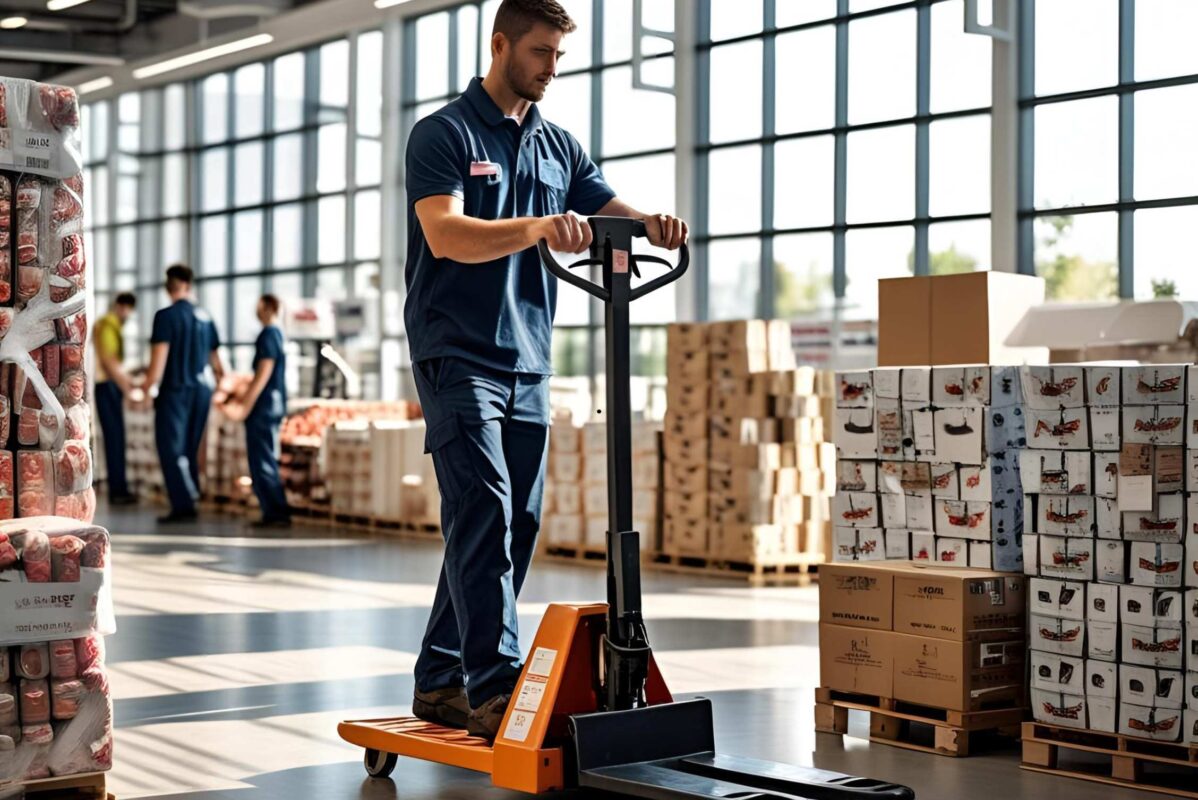
A hand pallet truck (also called a pallet jack) is a manually operated tool designed to lift and move palletized goods. It typically consists of two forks, a hydraulic pump, a handle for steering and pumping, and small wheels.
Operators use the handle to raise loads just enough to clear the ground, then push or pull the truck to its destination.
Though basic in form, this equipment contributes significantly toproductivity and injury prevention in busy workspaces.
Common Situations Where Hand Pallet Trucks Excel
- Warehouse loading/unloading: Shifting packed pallets onto or off delivery trucks.
- Retail floor stocking: Moving heavy product batches from storage to sales floors.
- Production line flow: Supplying materials to various stages of a process.
- Cold storage handling: Easily maneuvering loads in compact freezer zones.
Hand pallet trucks shine where space is limited or where powered forklifts are impractical or overkill.
How to Operate a Hand Pallet Truck Correctly
Understanding thecorrect operation reduces strain and improves safety. Here’s a practical flow for new and experienced users alike:
- Check the Load: Ensure it’s stable, not overhanging the pallet, and doesn’t exceed the truck’s rated capacity.
- Insert Forks Fully: Slide the forks completely under the pallet before lifting.
- Pump the Handle: Raise the pallet slowly until the wheels clear the ground—no higher.
- Pull or Push with Care: Pull when precision is needed; push for better ergonomics on straight paths.
- Lower with Control: Gently lower the load at the drop point using the release lever.
Maintaining smooth, deliberate movements prevents accidents and preserves the equipment.
Hand Pallet Truck Design: Functional Yet Simple
- Hydraulic Mechanism: Uses fluid pressure to lift loads with minimal effort.
- Steel Frame: Offers durability under consistent weight pressure.
- Steering and Load Wheels: Designed for maneuverability and balanced weight distribution.
- Entry/Exit Rollers: Make it easier to guide the forks into tight pallets.
Some modern units come with stainless steel construction for hygiene-sensitive environments or low-profile forks for special pallet designs.
Safety Practices That Matter
Ignoring small safety measures can lead to workplace injuries. Whether you’re an operator or a supervisor, these guidelines help maintain a safer environment:
- Wear the right footwear—non-slip, steel-toed shoes are ideal.
- Always inspect the equipment before use—check for cracks, damaged wheels, or hydraulic leaks.
- Mind the load direction—keep heavy sides toward the operator for better control.
- Avoid inclines—manual trucks are not designed for slopes.
- Watch for floor obstacles—gravel, uneven concrete, or wet patches can tip a load.
These habits promote both user wellbeing and equipment lifespan.
Maintenance That Keeps It Rolling
A well-maintained pallet truck can last years with minimal issues. Here are standard upkeep tips:
- Lubricate pivot points and wheels monthly.
- Clean dirt and debris from under the forks and wheel areas weekly.
- Check the hydraulic oil levels annually (or as recommended by the manufacturer).
- Replace worn-out wheels or damaged forks without delay.
Routine care is not just about performance—it helps avoid costly downtime.
Choosing the Right Hand Pallet Truck for Your Needs
Not all pallet trucks are built alike. When selecting one, consider:
- Load capacity: Match it with your heaviest common load.
- Fork length: Standard is 48″, but shorter or longer options exist.
- Wheel material: Nylon for smooth floors, polyurethane for quiet operation, steel for rugged surfaces.
- Environment: Stainless steel models are corrosion-resistant—perfect for food or chemical handling.
Spending wisely up front reduces replacements and increases overall workflow reliability.
Common Misconceptions
- “They’re all the same.” Pallet trucks vary greatly in design and material. Using the wrong type can cause damage or delay.
- “Anyone can use one.” Training is crucial. Incorrect handling leads to injuries and accidents.
- “No need to inspect them.” Even basic equipment needs regular checks.
Clarifying these assumptions helps build better habits in warehouse teams.
The Role in Ergonomic and Efficient Workplaces
Using a hand pallet truck correctly aligns with workplace ergonomics. They reduce the need for bending, lifting, and dragging—common sources of injury in logistics and retail. The right equipment, used in the right way, prevents fatigue and promotes smoother operations across shifts.
Conclusion
A hand pallet truck is much more than a basic warehouse tool—it’s a vital link in the supply chain. Knowing how to choose, operate, and maintain it not only boosts daily performance but protects both people and goods.
Whether you manage a warehouse or stock shelves in a retail store, handling this tool responsibly ensures you’re working smarter, not harder.