September 30, 2025
How Many Types of Forklift Complete List
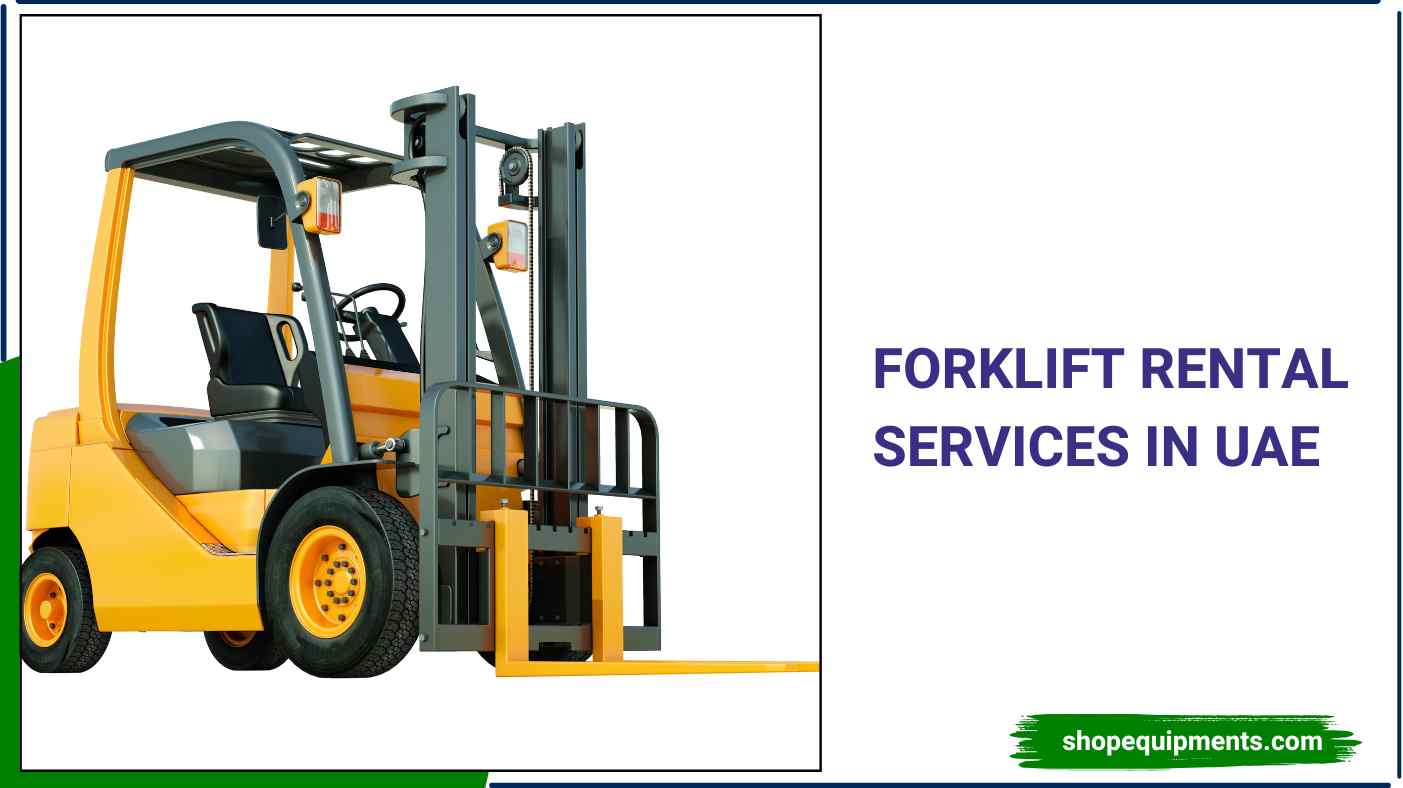
Forklifts are among the most important machines in construction, warehouses, factories, and logistics. They move heavy loads, save time, and improve safety. But when someone asks, how many types of forklift are there?—the answer is not always simple. Different forklifts are built for different jobs, and each type comes with its own strength.
In this guide, we will explain the main types of forklifts, 7 different forklift categories, licence details, and load capacity (tons).
3 Main Types of Forklifts
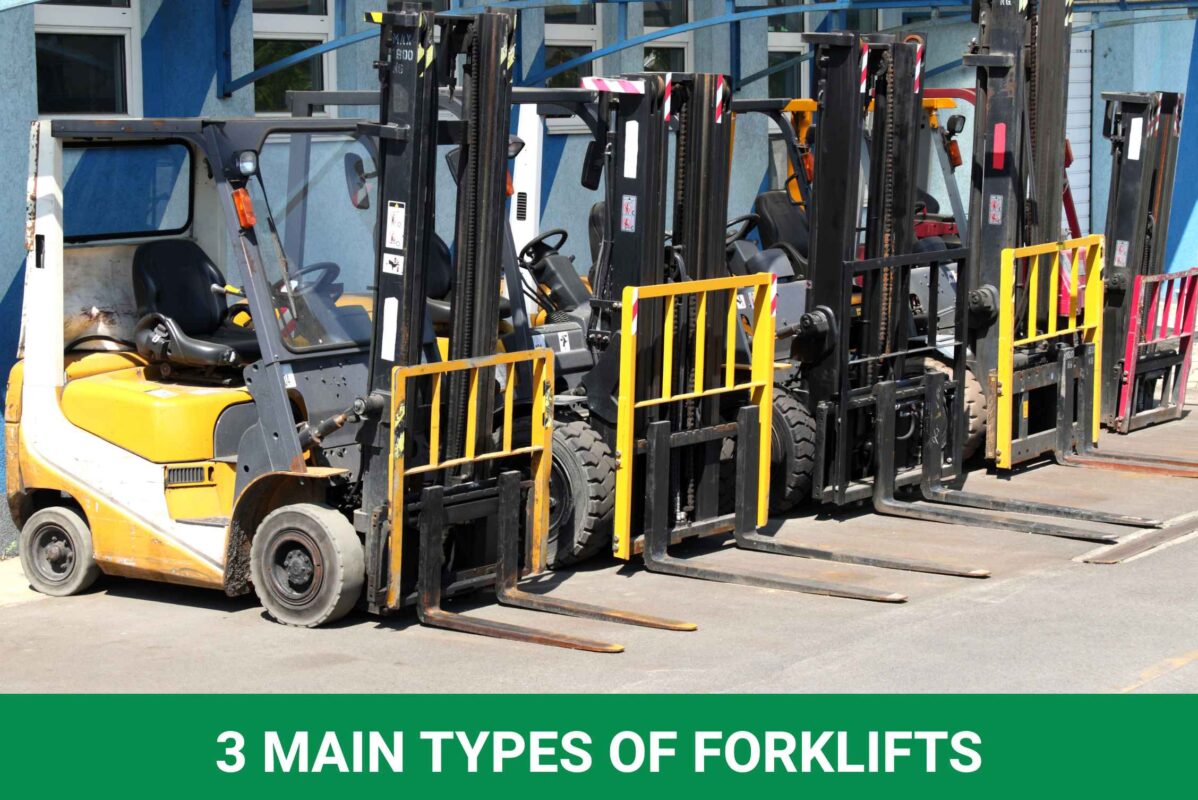
Warehouse Forklifts
Compact machines built for indoor work.
- Great for lifting pallets in tight aisles.
- Common in supermarkets, storage units, and factories.
Heavy-Duty Forklifts
Larger units made for outdoor and rough sites.
- Carry heavier loads than standard forklifts.
- Built to handle uneven ground and harsh conditions.
Industrial Forklifts
A mix of warehouse and heavy-duty features.
- Strong lifting power with extended reach.
- Often used in shipping yards and manufacturing plants.
7 Different Types of Forklifts
When people talk about 7 different types of forklifts, they are referring to specialized models built for different conditions.
1. Counterbalance Forklift
- Standard design with weights at the back for balance
- Used in warehouses and loading docks
2. Reach Truck
- Slim body with long arms for high shelves
- Common in big warehouses
3. Side Loader Forklift
- Loads carried from the side instead of the front
- Great for long materials like pipes or timber
4. Rough Terrain Forklift
- Designed for construction sites and outdoor areas
- Large tyres for stability on uneven ground
5. Pallet Jack (Manual or Electric)
- Small and low-cost
- Moves pallets short distances inside warehouses
6. Telescopic Handler (Telehandler)
- Combines a forklift and a crane
- Arm extends forward and upward for high lifting
7. Heavy-Duty Forklift Truck
- Built for extreme loads
- Found in shipping docks, ports, and steel industries
Forklift Licence Types
- Counterbalance licence – for standard forklifts
- Reach truck licence – for high-rack warehouses
- Rough terrain licence – for outdoor heavy-duty use
- Pallet truck licence – sometimes optional, for basic use
Types of Forklift Tons (Load Capacity)
- Light forklifts – up to 1.5 tons
- Medium forklifts – 2 to 5 tons
- Heavy forklifts – 6 to 25 tons
- Super heavy forklifts – 25+ tons
Why Knowing Forklift Types Matters
- Safety – Using the wrong forklift can cause accidents
- Efficiency – Right forklift saves time and effort
- Cost control – Prevents damage to machines and goods
- Legal compliance – Ensures operators have the correct licence
Related Forklift Guides & Services
Conclusion
Forklifts are divided into main categories, specialized models, licence types, and load capacities. Each plays an important role in different industries.
They range from small pallet jacks used in warehouses to heavy-duty machines that lift over 25 tons in ports and shipping yards.
Choosing the right forklift depends on work environment, safety regulations, and the specific load requirements.
A clear understanding of forklift types helps businesses improve efficiency, lower costs, and ensure safe operations.
FAQs About Forklifts
How many main types of forklifts are there?
There are three main types: warehouse forklifts, heavy-duty forklifts, and industrial forklifts.
What are the 7 specialized forklift models?
They include counterbalance, reach truck, side loader, rough terrain, pallet jack, telehandler, and heavy-duty forklift trucks.
Do I need a licence to operate a forklift?
Yes, most regions require a licence. The type of licence depends on the forklift model, such as counterbalance, reach truck, or rough terrain.
What is the maximum load capacity of forklifts?
Forklifts range from light models (1.5 tons) to super heavy machines that lift over 25 tons.
Why is it important to choose the right forklift?
The right forklift improves safety, saves time, reduces costs, and ensures compliance with workplace rules.