January 22, 2026
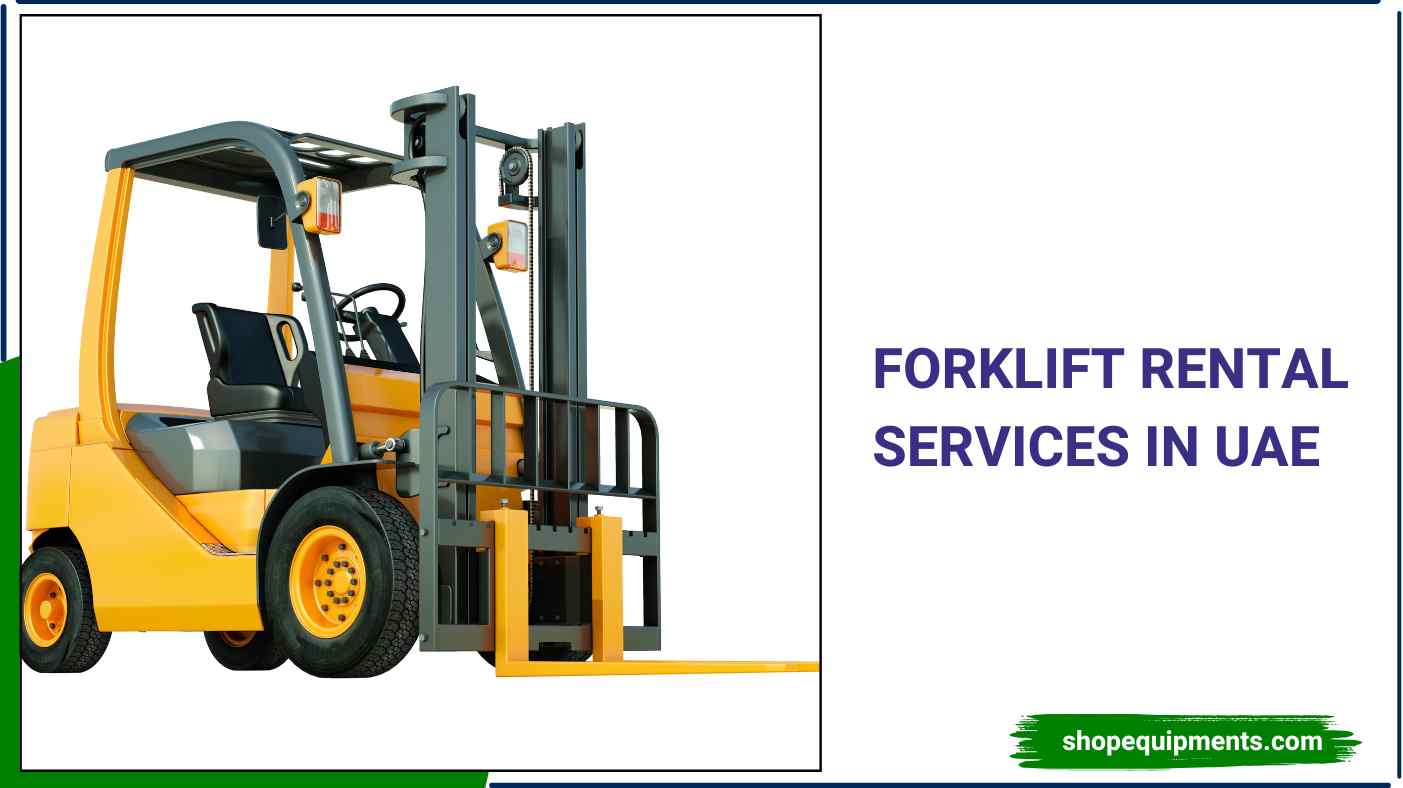
Forklift Rental Services in UAE | Shopequipments
Finding the right material handling equipment for your business is simple. Run a warehouse in Dubai? Manage a construction site in Abu Dhabi? Operate a logistics center in Sharjah? Forklift rental services offer a practical solution. You get flexibility, efficiency, and cost savings.
Why Forklift Rental Makes Sense for Your Business
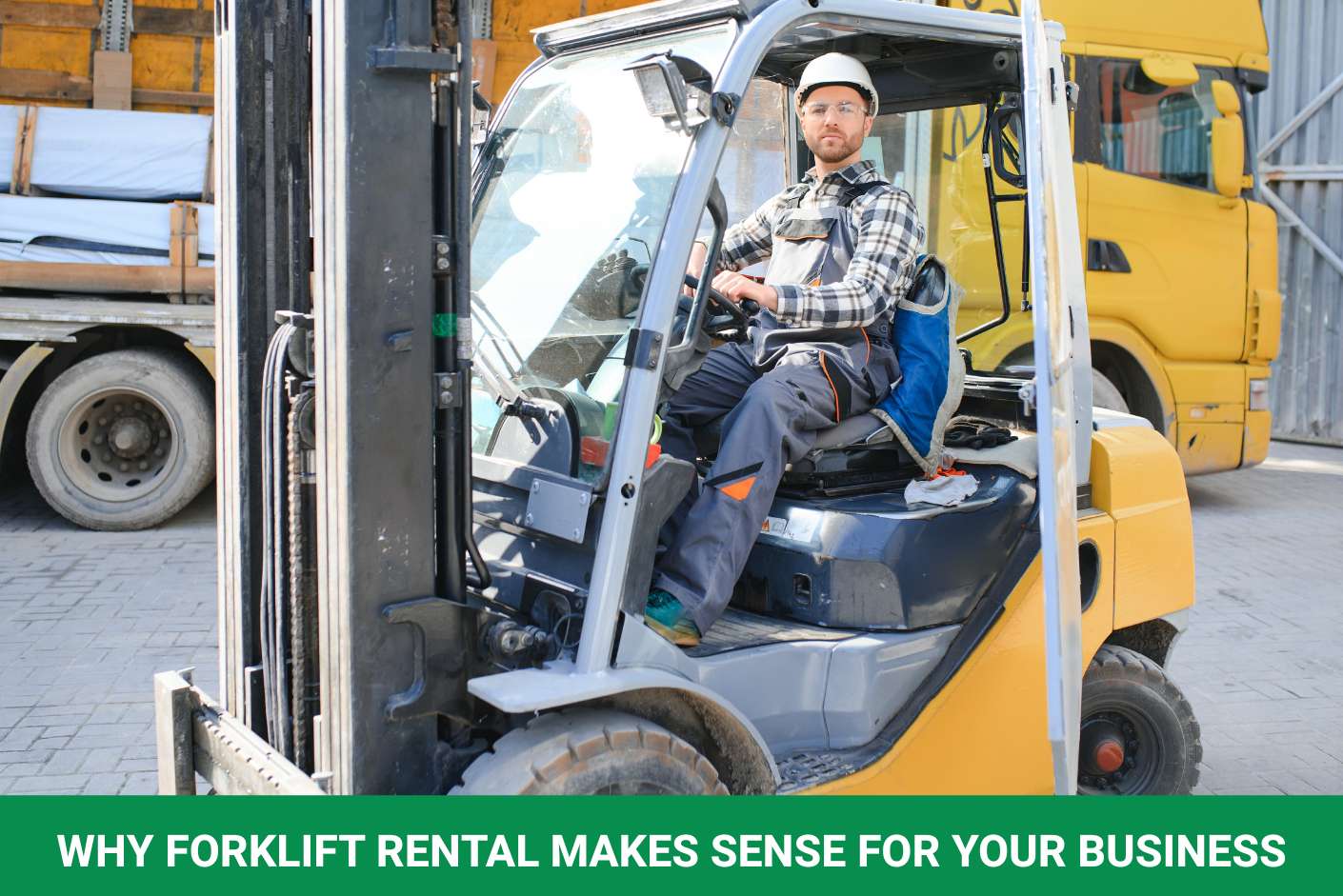
Renting a forklift beats purchasing in many ways. The upfront costs stay low. Maintenance becomes someone else’s problem. You access modern equipment without ownership burdens. UAE businesses love this approach. It lets them focus resources on core operations while keeping excellent material handling capabilities.
The UAE’s business environment moves fast. One month you need extra capacity for a major project. The next month you scale back. Rental services handle these changes with ease. You get the equipment you need when you need it.
Capital preservation matters for growing businesses. When you rent instead of buy, you free up cash for other investments. Marketing campaigns, employee training, technology upgrades – these areas often deliver better returns than equipment ownership. Rental agreements also keep your balance sheet clean. No depreciation to track. No resale headaches when technology changes.
Electric vs. Diesel: Understanding Your Options
Electric and diesel forklifts serve different purposes. Electric models work best indoors where emissions and noise matter. Warehouses, manufacturing facilities, and retail distribution centers benefit from them. Zero emissions mean better air quality for workers. Quieter performance creates a pleasant work environment.
The operating costs tell an interesting story. Electric forklifts cost less per hour to run. Electricity is cheaper than diesel fuel. Battery technology has improved dramatically in recent years. Modern batteries charge faster and last longer. Some models now offer quick-change battery systems. Swap a depleted battery for a charged one in minutes. Your forklift stays productive all day.
Diesel forklifts excel outdoors and in heavy-duty operations. Construction sites, shipping yards, and industrial facilities prefer diesel models. They deliver raw power and work long shifts without recharging. Rough terrain? No problem. Diesel forklifts handle it well. They also perform better in extreme temperatures where battery performance might suffer.
Your choice depends on where and how you use the equipment. Indoor work with moderate loads? Electric is your answer. Outdoor work with heavy lifting in challenging conditions? Diesel makes more sense.
What to Look for in a Rental Provider
Rental companies differ in quality. Check their fleet variety, maintenance standards, and customer support. A good rental company offers many capacities and models. They maintain equipment well. You get reliable machinery that performs during critical operations.
Fleet age matters more than most people realize. Newer equipment breaks down less often. It includes better safety features. It operates more efficiently. Ask potential providers about their fleet age. Companies that invest in regular updates show they care about quality.
Clear pricing matters. Hidden fees and unclear terms turn good deals into costly mistakes. Find providers who explain exactly what you pay for. No surprises. The quote should include delivery, pickup, and basic maintenance. Any additional charges should be spelled out clearly upfront.
Customer support counts too. When you need a forklift, you need it now. A rental company that responds fast to inquiries, delivers on time, and provides ongoing support adds value beyond the equipment. Emergency support availability matters as well. Equipment can fail at inconvenient times. A provider with 24/7 support gives you peace of mind.
Rental Terms That Work for You
Modern businesses need flexible rental terms. Some projects last days. Others span months or years. Your rental provider should handle both short-term and long-term needs. No rigid contracts that don’t match your reality.
Daily rentals suit one-off jobs or temporary activity surges. Weekly rentals work for medium-length projects. Monthly or annual agreements make sense for ongoing operations where you need consistent equipment. The best providers offer all these options. They make it easy to extend or adjust your rental as things change.
Contract flexibility extends beyond duration. Can you upgrade to a larger model if your needs change? Can you add more units during peak season? Can you return equipment early without penalties? These questions matter. Business conditions change. Your rental agreement should accommodate that reality.
Key Considerations When Renting
Think through a few factors before you rent a forklift. First, what capacity do you need? Too much capacity costs extra. Too little creates safety issues and slows operations. Consider your typical load weights and sizes. Think about special handling requirements.
Load capacity isn’t the only specification that matters. Lift height requirements vary by application. Warehouse racking might demand 20-foot lift heights. Loading trucks might only need 10 feet. Getting this wrong means renting equipment that can’t do the job.
Your operating environment matters. Indoor spaces with tight aisles need different specs than outdoor yards with rough terrain. Ceiling heights, floor conditions, and turning radius requirements all affect which forklift model works best.
Aisle width deserves special attention. Narrow aisle forklifts maximize warehouse space utilization. But they cost more to rent and require skilled operators. Standard forklifts need wider aisles but cost less and are easier to operate. Calculate your space requirements carefully.
Remember operator training and certification. Many rental companies offer operator training as part of their service. This helps if your team needs refreshers or if you bring on new staff. Proper training reduces accidents and improves productivity. It’s worth the investment.
Cost Benefits Beyond the Rental Rate
The rental rate matters, but the total cost picture extends further. Rentals help you avoid depreciation. Forklifts lose value quickly. A new forklift might lose 20-30% of its value in the first year alone. Rental eliminates this loss completely.
You free up capital for other business uses. Maintenance and repairs fall on the rental company. This saves money and management time. Calculate the true cost of ownership. Purchase price, insurance, maintenance, repairs, storage, eventual resale – these add up fast. Rental often costs less overall.
Tax treatment differs between renting and buying. Rental payments are typically fully deductible as operating expenses. Equipment purchases require depreciation schedules. Consult your accountant, but rental often provides better tax advantages.
You can upgrade equipment without selling old units and buying new ones. This represents another financial advantage. As technology improves and your needs evolve, you switch to different models. No transaction costs of buying and selling.
Making the Most of Your Rental
To maximize value from your forklift rental, communicate clearly with your provider about your needs. Be specific about the work environment, typical loads, and special requirements. More information helps them match you with appropriate equipment.
Plan ahead when you can. Last-minute rentals sometimes work. But advance planning gets you better availability and potentially better rates. Know a busy season is coming? Big project starting soon? Book your equipment early.
Take care of the equipment during your rental period. Normal wear and tear is expected. But damage from misuse or negligence may bring additional charges. Treat rental equipment as your own. You’ll avoid these issues.
Daily inspections catch problems early. Check fluid levels, tire condition, and safety features. Report any issues immediately. Quick reporting prevents small problems from becoming big ones. It also protects you from being charged for pre-existing damage.
Conclusion
Forklift rental is the smart choice for UAE businesses. You avoid big upfront costs. You skip maintenance headaches. You get modern equipment when you need it.
Whether you run a warehouse in Dubai, a construction site in Abu Dhabi, or a logistics center in Sharjah, rental services solve your material handling needs. Electric forklifts cut emissions and operating costs. Diesel models deliver power for heavy-duty work. Both options are available with flexible terms.
The right rental provider makes all the difference. Look for transparent pricing, quality equipment, and strong customer support. Plan ahead when possible. Communicate your needs clearly. Take care of the equipment during your rental period.
Modern business demands flexibility. Forklift rental delivers exactly that. You scale up during busy periods. You scale down when things slow. No capital tied up in depreciating assets. No storage or maintenance worries.
Start by assessing your needs. Get quotes from multiple providers. Ask questions. Compare options. Then choose a rental partner who helps your business succeed.
The future of material handling in the UAE is flexible, efficient, and cost-effective. Forklift rental puts you on that path.