September 12, 2025
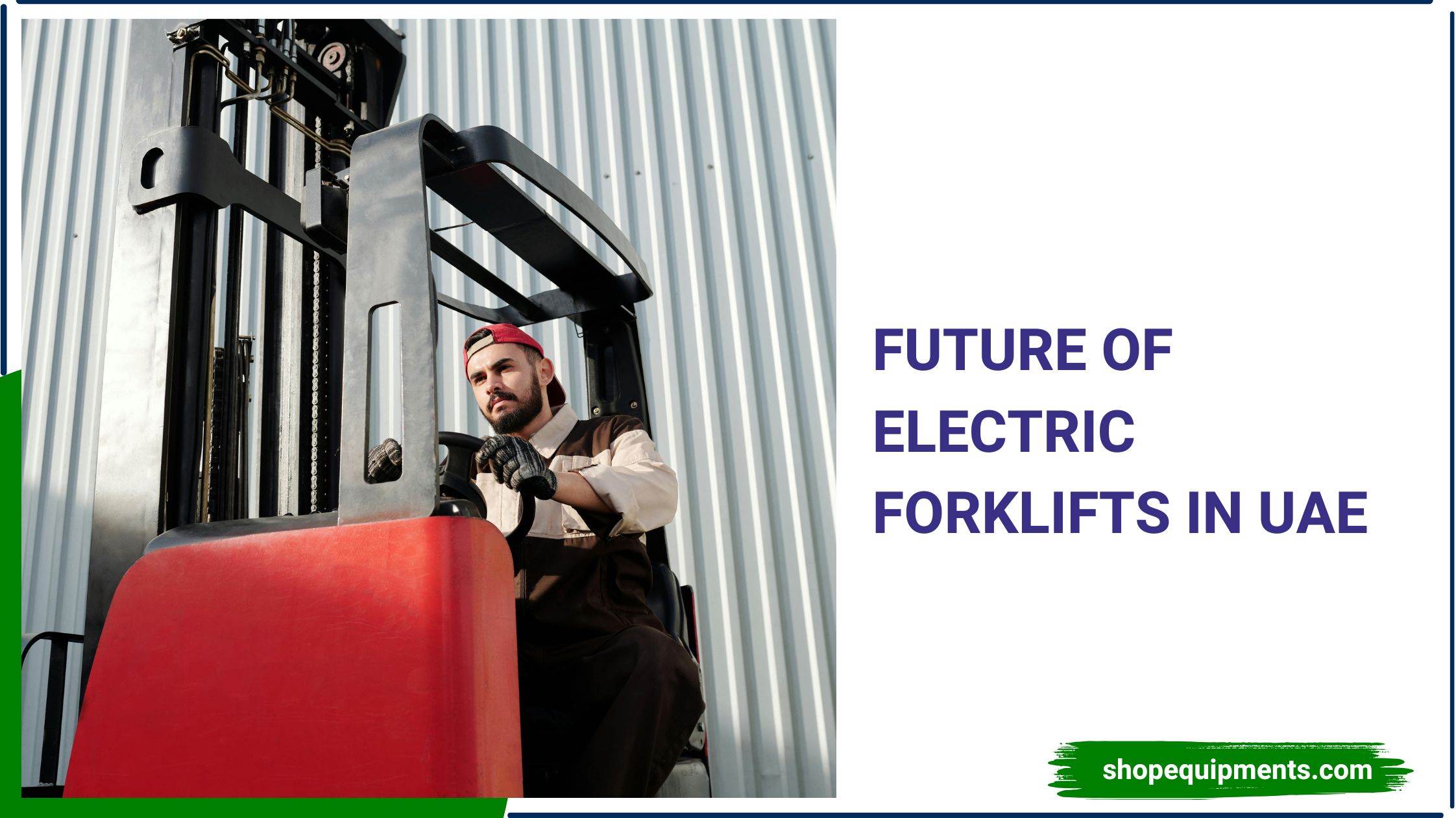
Future of Electric Forklifts in UAE: Clean & Smart Handling
In the fast-growing industrial and logistics sector of the UAE, material handling equipment plays a crucial role in driving efficiency. Forklifts have been the backbone of warehouses, construction sites, and retail storage for decades.
But as industries shift towards cleaner and smarter operations, electric forklifts are emerging as the preferred choice. Their rise is not just a technological shift—it’s a reflection of sustainability goals, operational savings, and advanced performance that align with the UAE’s vision for a greener economy.
Why Electric Forklifts Are Gaining Attention in the UAE
Businesses across Dubai, Abu Dhabi, and Sharjah are increasingly moving toward electric-powered solutions. This trend is not limited to personal vehicles; heavy equipment is also going through the same transformation. Companies now focus on:
- Lower carbon footprint to meet UAE’s sustainability goals.
- Reduced noise pollution in urban warehouses and logistics hubs.
- Improved energy efficiency compared to diesel or LPG forklifts.
- Healthier indoor environments with zero harmful emissions.
Operational Benefits of Electric Forklifts
Unlike traditional fuel-based forklifts, electric models bring several practical advantages that matter to businesses:
1. Cost Efficiency
Although the upfront cost may be higher, electric forklifts save money in the long term. Energy costs are significantly lower than diesel, and the reduced number of moving parts means fewer repairs and less maintenance.
2. Performance and Safety
Modern electric forklifts provide smoother handling, precise control, and improved visibility. Advanced safety features such as stability control, smart sensors, and operator alerts reduce workplace accidents.
3. Long-Term Reliability
Electric forklifts are designed for durability. Their battery technology is evolving rapidly, offering longer working hours, quick charging options, and better power retention. This reliability is key for warehouses that run 24/7 operations.
Environmental Perspective: Supporting UAE’s Green Agenda
The UAE has been vocal about building a sustainable economy. Initiatives like the UAE Net Zero 2050 Strategy encourage industries to cut emissions. Electric forklifts contribute directly to this mission by reducing dependence on fossil fuels. They also align with corporate social responsibility goals, helping businesses show commitment to environmental care.
The Role of Technology in Electric Forklifts
Electric forklifts are not just about being eco-friendly; they represent a shift toward smarter technology. Some innovations shaping the market include:
- Lithium-Ion Batteries – Faster charging, longer lifespan, and higher efficiency.
- IoT-Enabled Fleet Management – Real-time monitoring of forklift performance.
- AI-Powered Safety Systems – Automatic braking and collision alerts.
- Ergonomic Design – Improved operator comfort to reduce fatigue.
These innovations allow businesses in the UAE to maintain global competitiveness while ensuring workforce safety and efficiency.
Industries Benefiting the Most in the UAE
Electric forklifts are proving especially useful in:
- Logistics and Warehousing – Quieter and cleaner handling in indoor facilities.
- Retail and Supermarkets – Compact designs for operating in smaller spaces.
- Construction Sites – Heavy-duty lifting with reduced emissions.
- Food and Beverage – Essential for maintaining hygiene standards in storage facilities.
Challenges and Considerations
While the advantages are strong, businesses should also prepare for challenges:
- Initial Investment – Higher upfront cost compared to fuel-based forklifts.
- Charging Infrastructure – Requires proper planning of charging stations.
- Battery Management – Regular maintenance is key to maximizing lifespan.
With government incentives and ongoing technological advancements, these challenges are becoming easier to overcome in the UAE market.
Future Outlook of Electric Forklifts in the UAE
Looking ahead, the UAE is set to expand its adoption of electric forklifts. As part of the Dubai Industrial Strategy 2030 and sustainable logistics frameworks, businesses will increasingly prioritize eco-friendly equipment.
Manufacturers are expected to bring in more advanced models with AI integration, extended battery life, and cost-saving designs.
This transition is not just about replacing old machines; it reflects a broader vision where efficiency, safety, and sustainability meet in one solution.
UAE Material Handling
Equipments in UAE — Equipments in UAE
Find reliable material handling and rental solutions across Dubai, Abu Dhabi and Sharjah.
Jungheinrich Forklift Rental — Forklift Rental in Dubai
Short and long term Jungheinrich forklifts for warehouse and port operations.
Semi Electric Stacker Rental — Stacker Rental in UAE
Compact semi-electric stackers ideal for narrow aisles and light-duty lifting.
Hyster Diesel Forklift Rental — Hyster Diesel Forklift
Heavy-duty Hyster forklifts for outdoor and construction site use.
Linde Forklift Rental — Forklift Rental in Sharjah
Premium Linde forklifts available for rent across Sharjah warehousing networks.
Jungheinrich Forklift Rent — Forklift Rent in Sharjah
Flexible rental plans for Jungheinrich forklifts serving Sharjah-based operations.
Conclusion
Electric forklifts are shaping the future of material handling in the UAE. They offer cost savings, environmental benefits, and advanced technological features that align with both business goals and national sustainability strategies.
While there are some challenges, the long-term gains make them a powerful investment for companies across industries.
For businesses in the UAE aiming to stay ahead, now is the time to consider shifting toward electric forklifts—an investment that pays back in performance, reliability, and responsibility toward a cleaner future.
FAQs on Electric Forklifts in the UAE
1. Are electric forklifts suitable for all industries in the UAE?
Yes. Electric forklifts are ideal for warehouses, retail stores, construction sites, and food storage facilities. They are especially useful indoors where clean and quiet operations are important.
2. How long does the battery of an electric forklift last?
On average, a lithium-ion battery lasts between 6 to 8 hours on a single charge, depending on workload. With proper care, the battery itself can last up to 8–10 years.
3. Do electric forklifts cost more than diesel or LPG models?
The purchase price is usually higher, but businesses save money in the long run due to lower energy costs, less maintenance, and fewer breakdowns.
4. Can electric forklifts handle heavy lifting like fuel-powered ones?
Yes. Modern electric forklifts are designed to lift heavy loads efficiently. Many models can handle the same weight capacity as traditional diesel forklifts.
5. Is charging infrastructure available in the UAE?
Yes. Warehouses and industrial zones in Dubai, Abu Dhabi, and Sharjah are increasingly installing charging stations to support electric equipment. Portable charging solutions are also available.