September 11, 2025
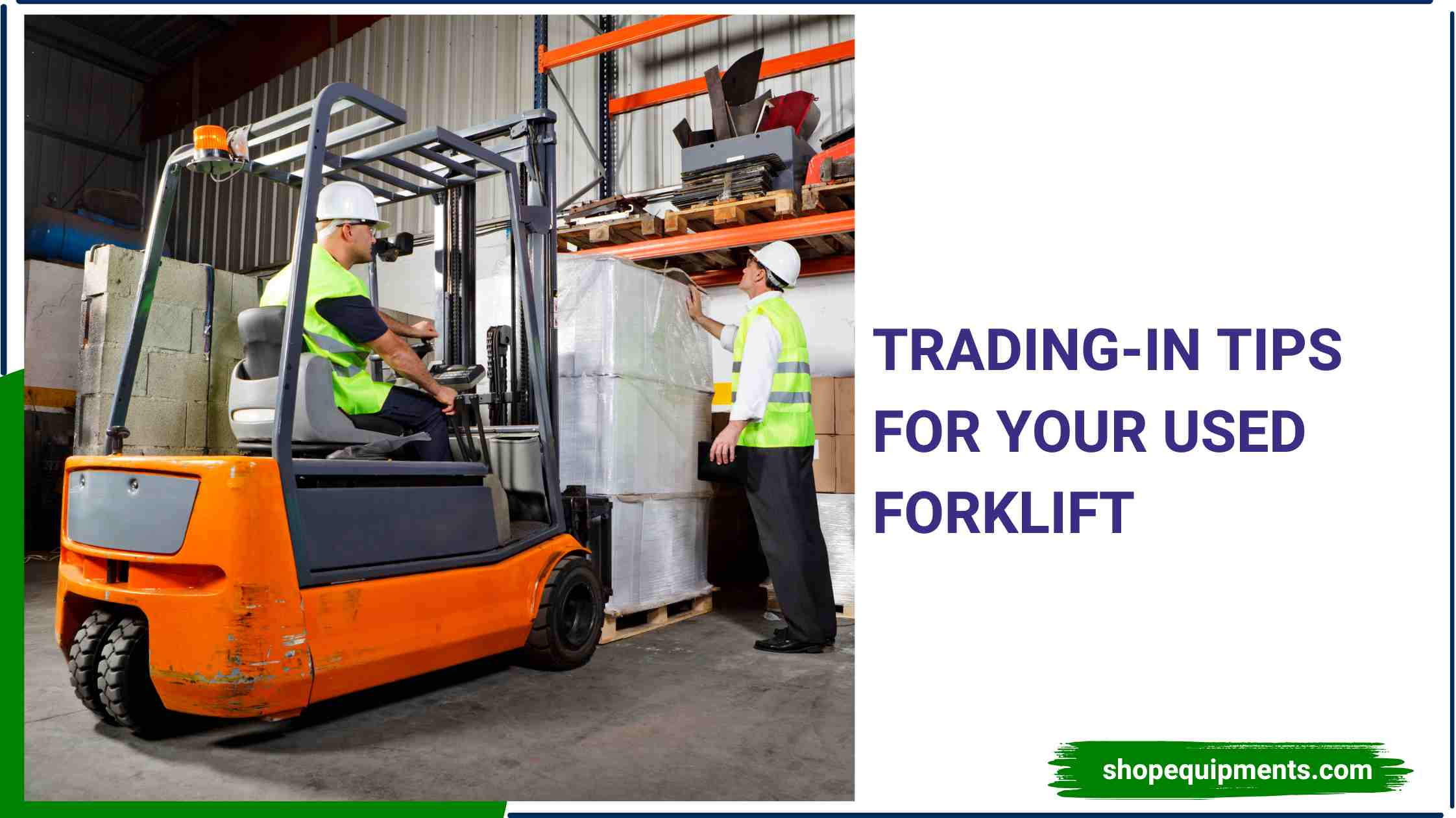
Trading-In Tips for Your Used Forklift Smart Deals & Value
Forklifts are essential equipment in warehouses, construction sites, and logistics operations. However, just like cars, forklifts lose efficiency and resale value over time.
Trading in your used forklift can help you recover some of its worth while upgrading to a newer, more efficient machine. The key is to approach the trade-in process with preparation and knowledge so you receive fair value.
This article provides practical insights on how to trade in your forklift successfully, ensuring the transaction benefits both your operations and your budget.
Why Consider Trading In Your Forklift?
- Upgrading to efficiency: Newer forklifts often come with improved fuel economy, electric options, and better ergonomics for operators.
- Lower maintenance costs: Older machines require frequent repairs, which add up quickly.
- Enhanced safety: Modern forklifts are equipped with better safety features, reducing workplace risks.
- Retained value: Trading in helps recover part of your investment instead of letting equipment depreciate to near zero.
Evaluate the Current Condition of Your Forklift
Before you approach dealers or buyers, take a careful look at your forklift. Key points to evaluate:
- Engine and power system – Is it still running smoothly, or does it have starting issues?
- Hours of usage – Forklifts are measured by service hours, similar to mileage in cars.
- Tires and hydraulics – Worn-out tires, leaks, or weak lifting capacity reduce value.
- Attachments – Side shifters, clamps, or special forks can add to the resale value.
A well-maintained forklift with service records will always attract better trade-in offers.
Gather All Service and Maintenance Records
Dealers value transparency. If you have a detailed log of maintenance, inspections, and repairs, it shows that the machine was well cared for. This builds trust and can justify a higher trade-in price.
Keep documentation ready for:
- Regular oil changes
- Battery replacements (for electric forklifts)
- Hydraulic fluid checks
- Tire changes
- Safety inspections
Research Market Value Before Trading In
Do not rely solely on the dealer’s first offer. Spend time researching the current market value of forklifts similar to yours. Consider:
- Age and model – Popular brands like Toyota, Hyster, or Caterpillar often retain higher value.
- Load capacity – 5,000 lb forklifts usually trade faster than very small or very large models.
- Fuel type – Electric forklifts can sometimes command better resale value due to demand for sustainable equipment.
Websites, used equipment listings, and auction results can give you a rough price range.
Prepare Your Forklift for Trade-In
Presentation matters. Just like detailing a car before selling, a forklift that looks clean and functional leaves a better impression.
Steps to prepare:
- Clean the forklift thoroughly, removing grease and dirt.
- Repair small issues like broken lights or loose panels.
- Inflate tires properly.
- Top up hydraulic fluids.
- Apply a fresh coat of paint if it looks too worn.
These small steps can significantly increase the perceived value.
Compare Trade-In Offers From Different Dealers
Never settle on the first offer. Approach multiple dealers, rental companies, or equipment resellers to compare. Each business has different demand and may offer a better price depending on their inventory needs.
Questions to ask:
- Will the trade-in reduce the upfront cost of a new forklift?
- Do they offer flexible financing options?
- Is the trade-in price based on cash value or credit toward purchase?
Consider Alternative Options to Trading In
Sometimes a trade-in is not the best choice. Evaluate whether selling directly to a buyer, auctioning, or consigning with a dealer may bring you higher returns.
- Direct sale: May take more time but could yield a better price.
- Auction: Fast process but not always the highest value.
- Consignment: Dealer sells on your behalf for a commission.
Negotiating for the Best Value
Negotiation is part of the process. Be confident about your forklift’s worth and highlight key advantages such as:
- Low service hours
- Regularly maintained condition
- Popular model with demand in the market
- Valuable attachments included
Showing that you’ve done your research helps you avoid lowball offers.
Timing Your Trade-In Matters
Market demand changes throughout the year. For instance:
- Before peak warehouse season – Dealers may pay more when demand is high.
- End of financial year – Companies may offer better deals to hit sales targets.
By trading in at the right time, you maximize your forklift’s value.
Future-Proofing Your Next Purchase
Trading in is not just about getting rid of old equipment—it’s also about upgrading wisely. When selecting your new forklift, consider:
- Energy-efficient models that reduce operating costs.
- Load capacity suitable for future operations.
- Safety and ergonomic improvements for operator comfort.
- Warranty and after-sale service provided by the dealer.
Related Links
Conclusion
Trading in a used forklift is a practical way to offset the cost of a new machine while ensuring your operations remain efficient and safe. The process requires preparation, from evaluating condition and maintaining records to researching market value and comparing dealer offers.
By negotiating strategically and timing the trade-in correctly, businesses can achieve fair value and strengthen their investment in better equipment.
FAQs
1. How do I know the right time to trade in my forklift?
If repair costs are rising, safety issues are frequent, or efficiency is dropping, it’s usually time.
2. Can I trade in a forklift that no longer works?
Yes, but non-functional forklifts typically fetch lower trade-in value.
3. Do attachments add to trade-in value?
Yes, especially if they are in good condition and useful for common operations.
4. Should I trade in or sell directly?
Trade-ins are faster and easier, while direct sales may offer slightly higher returns if you have time.
5. Does the forklift brand matter in trade-in value?
Yes, reputable brands often hold better resale value.